Commercial epoxy floors in Sarasota
Sarasota Epoxy Professionals coats commercial floors from the Lakewood Ranch business parks and the University Parkway corridor to downtown, the Rosemary District and the shops along US 41 down to Venice. Tell us what the space is used for and when it can close, and the floor gets planned around that.
Commercial floor examples
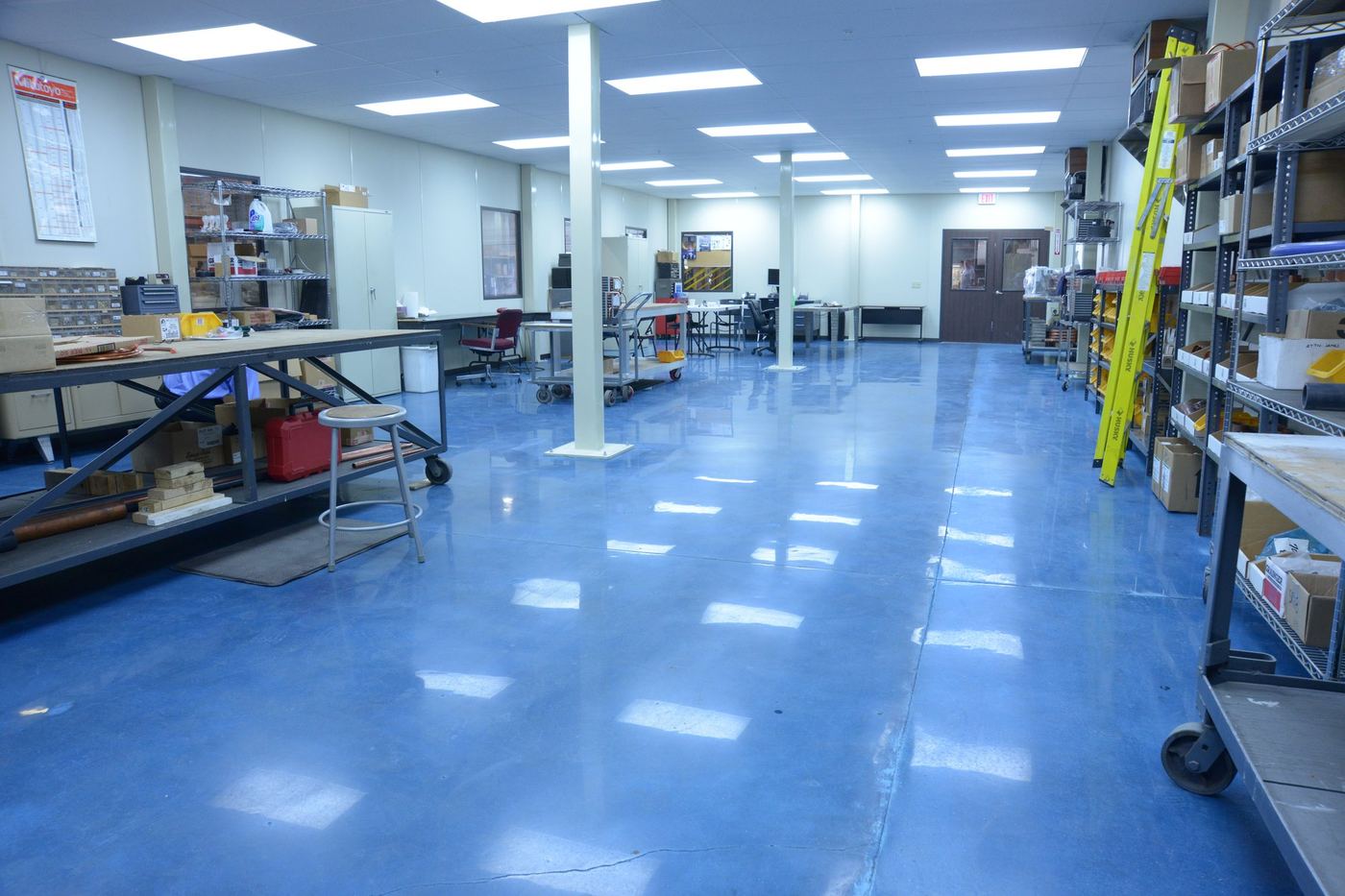
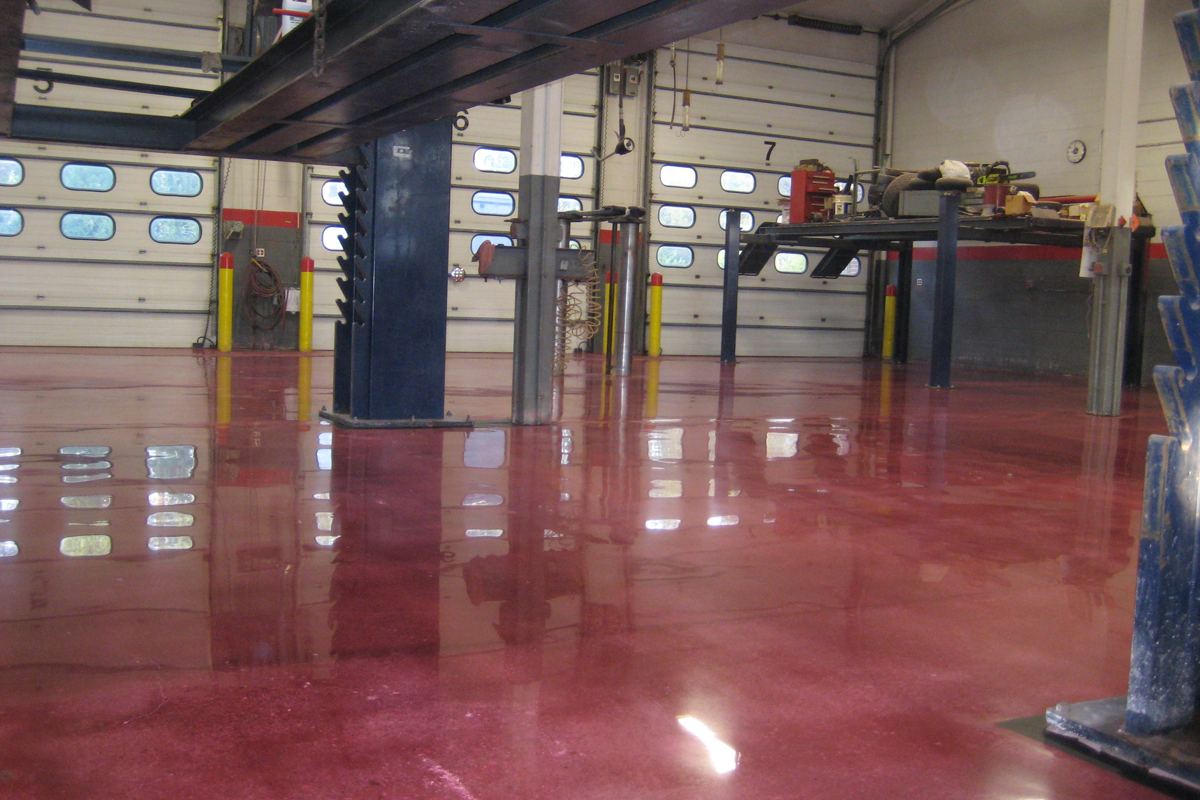
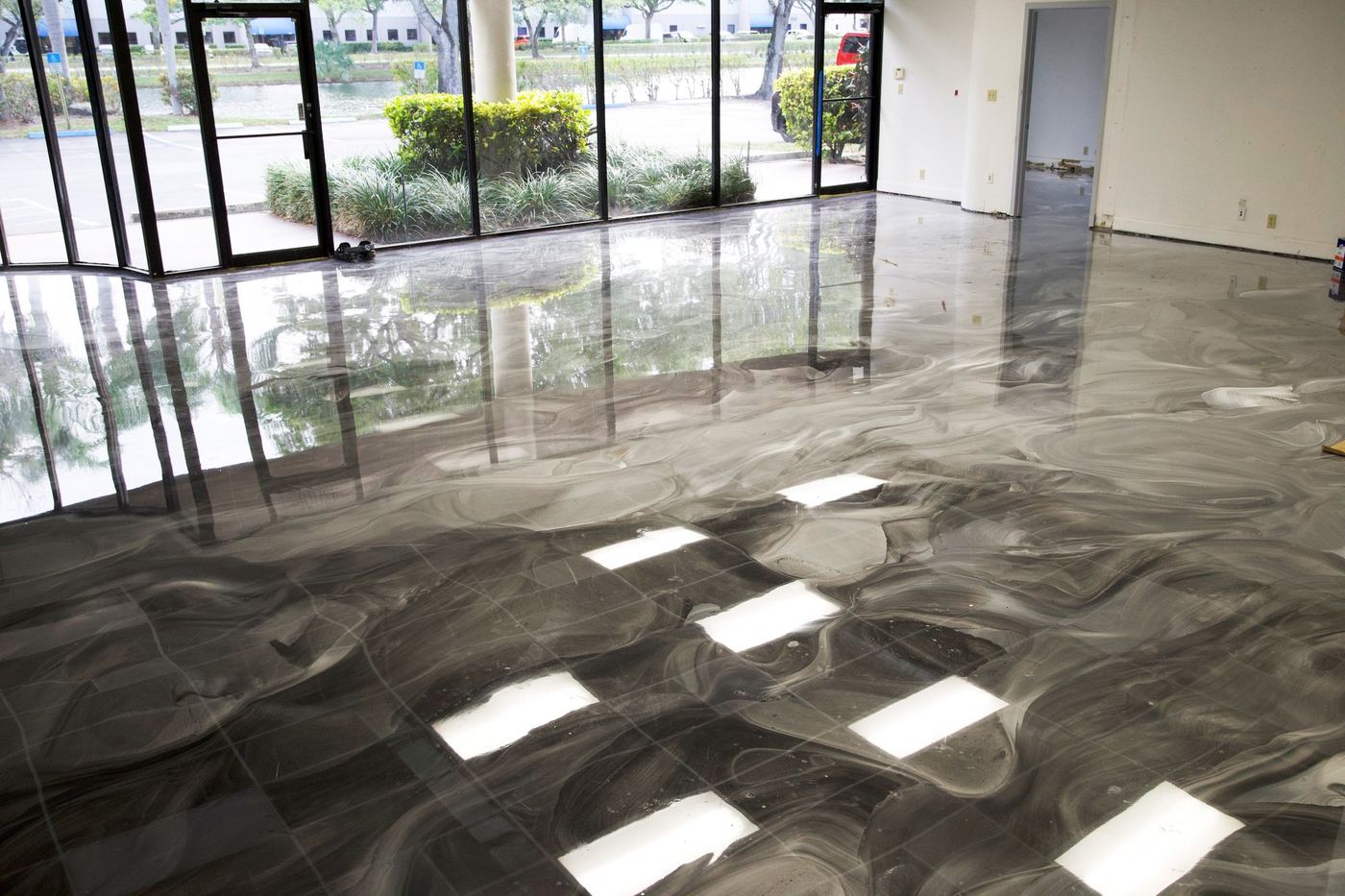
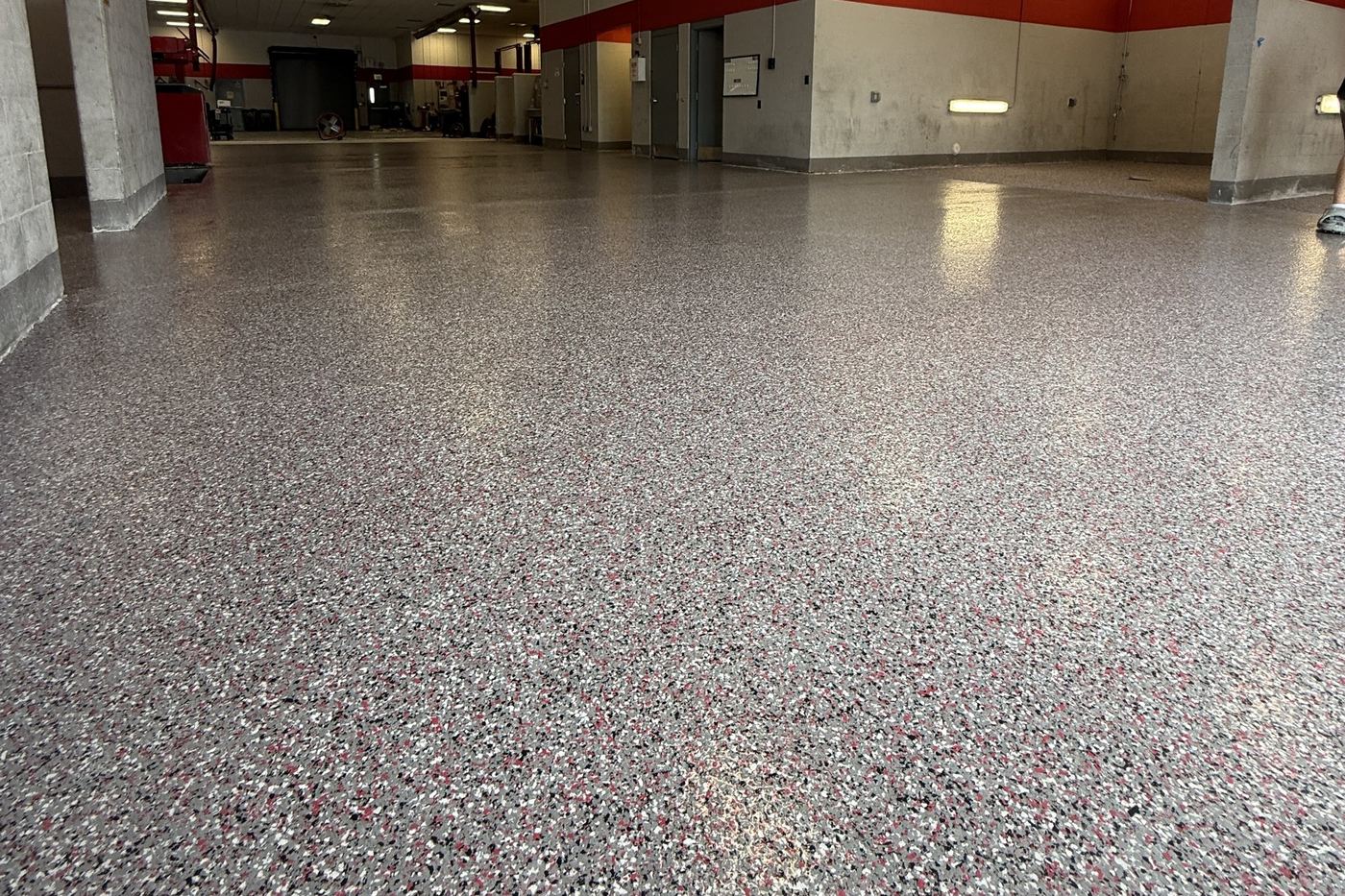
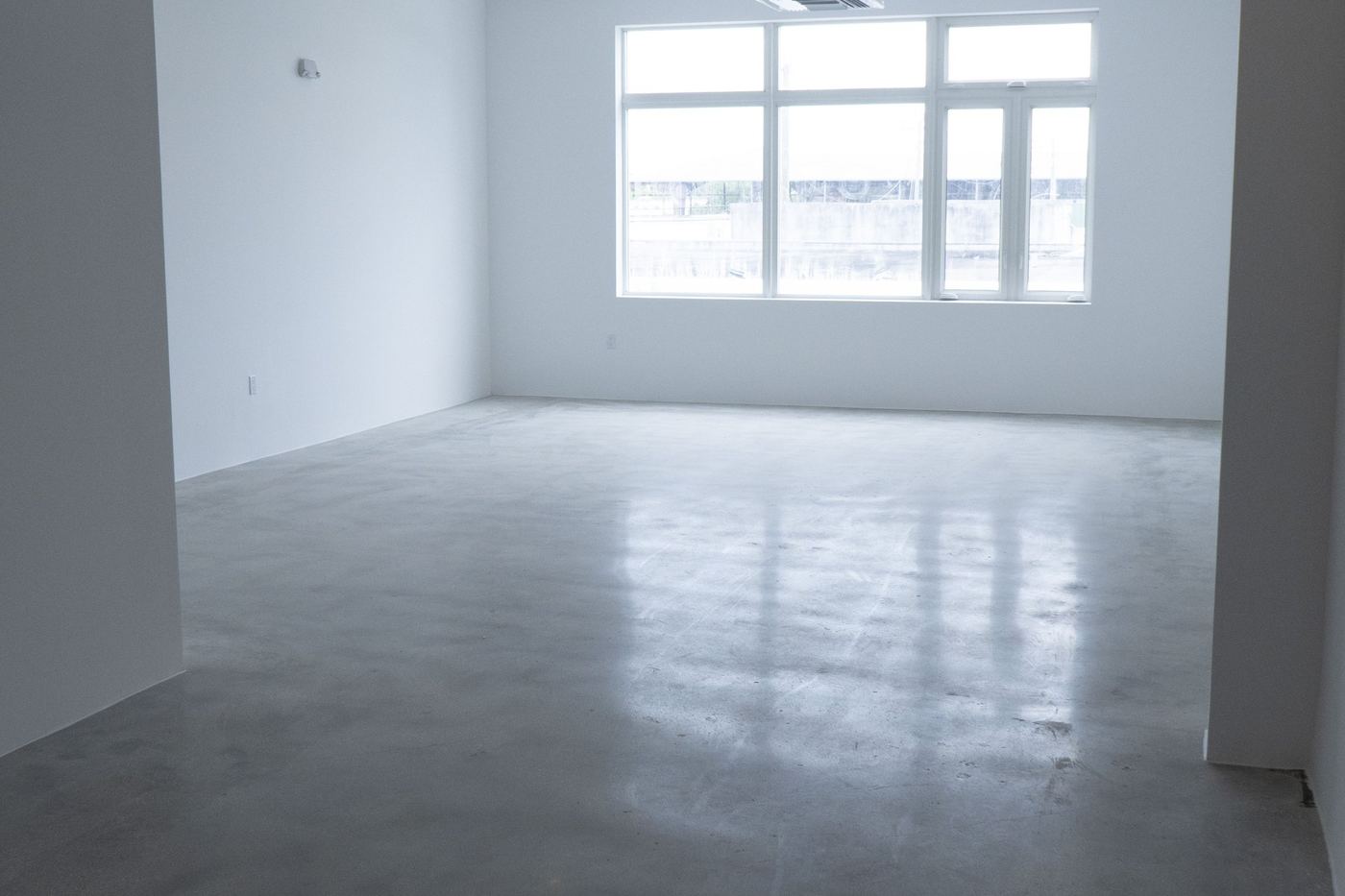
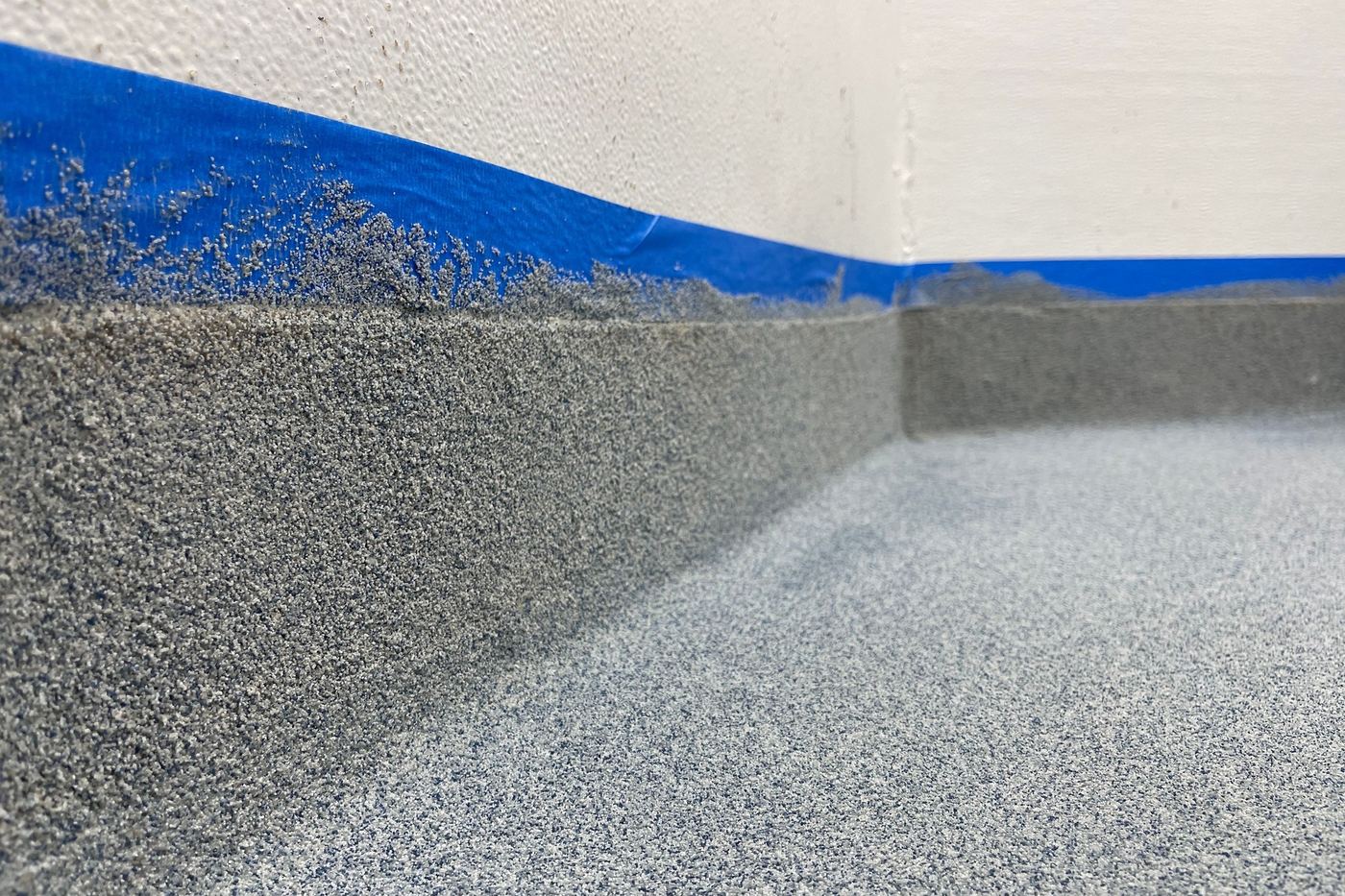
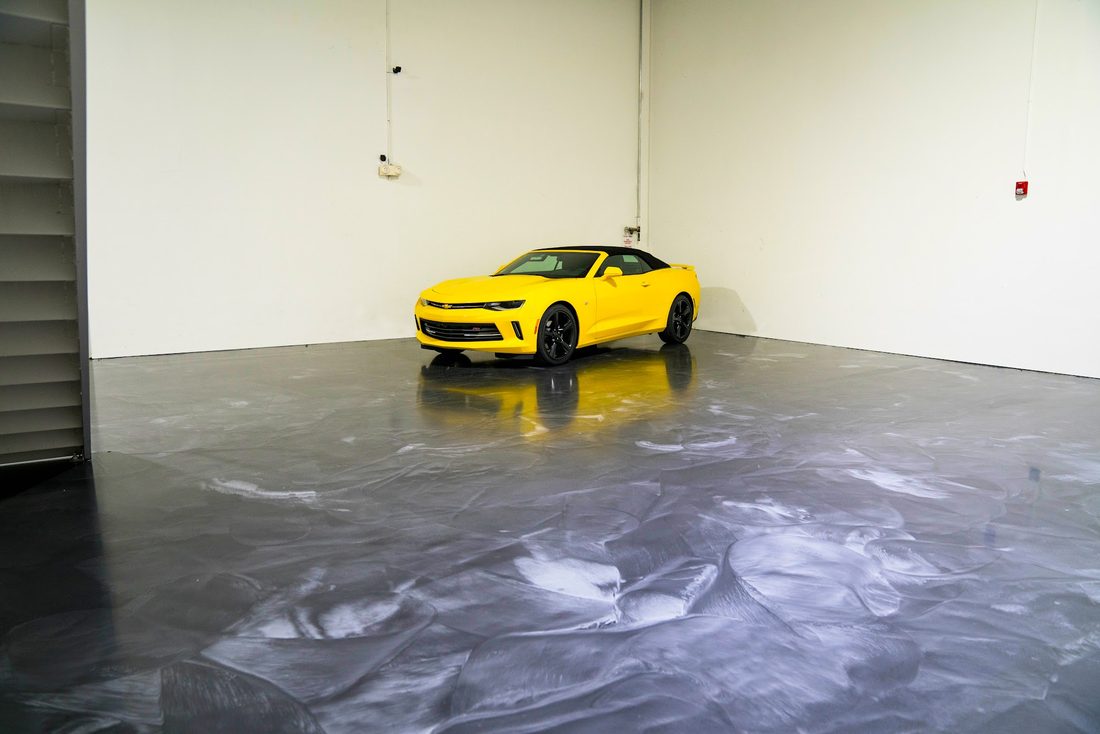
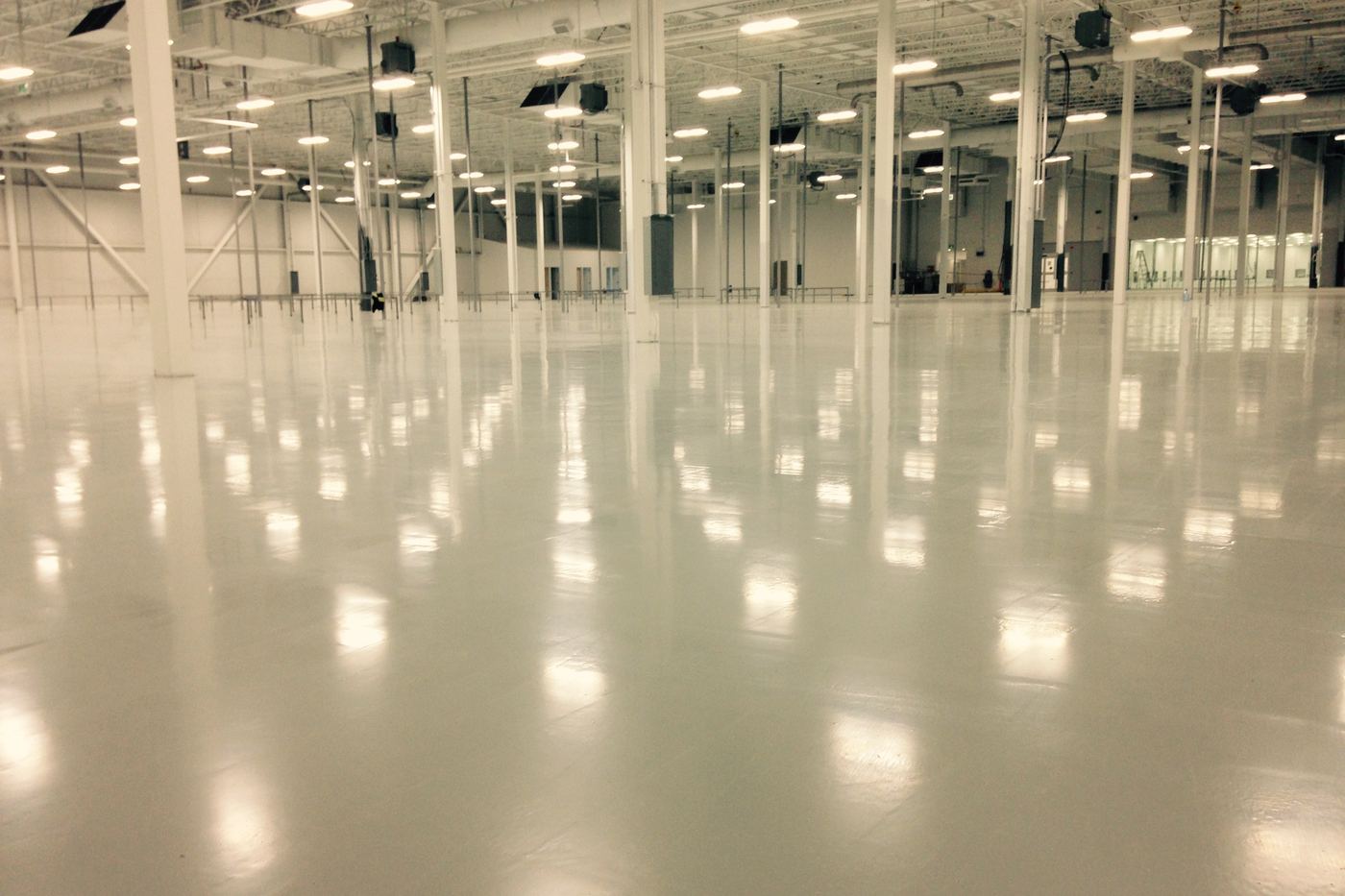
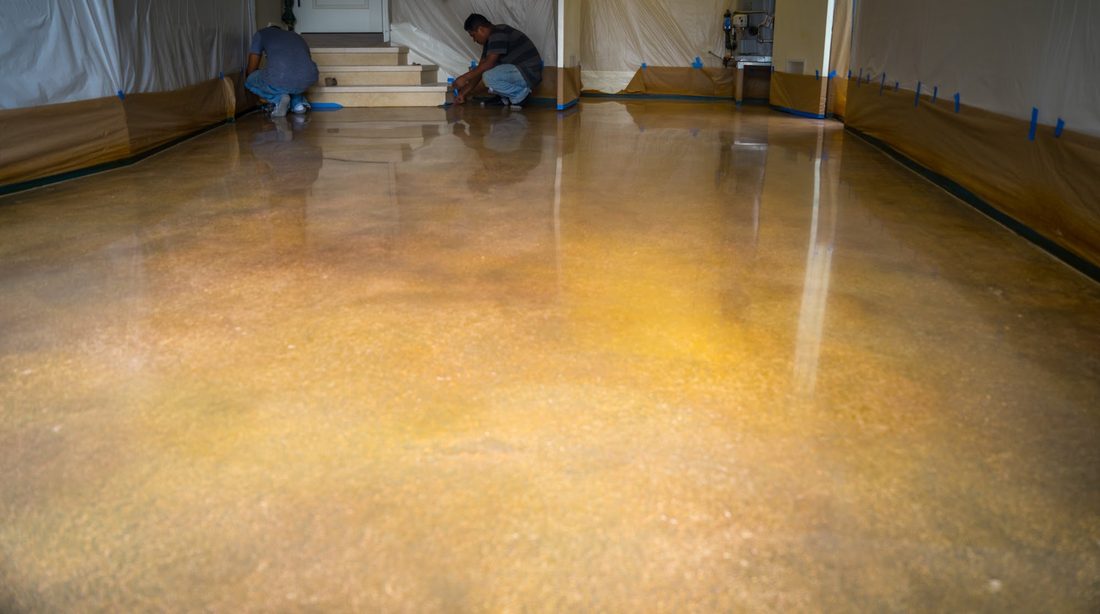
Example photos of finished commercial floors, shown for the look. Not photos of a specific Sarasota Epoxy Professionals job. Ask for photos of comparable work before you book.
Which Sarasota and Manatee businesses ask about coated floors?
Mostly flex and warehouse units, auto and marine service bays, restaurants, clinics and showrooms, and each part of the two counties has its own mix.
Lakewood Ranch and the University Parkway corridor are full of newer flex buildings, medical offices and fitness studios. The industrial streets off Fruitville Road and Cattlemen Road hold service bays, cabinet shops and storage. Downtown and the Rosemary District are restaurants, salons and retail, where looks and cleaning count most. Bradenton, Palmetto and the Port Manatee area add warehouse and distribution space, and Venice and North Port keep opening new commercial units on bare concrete.
Flex and warehouse units
Lakewood Ranch, Bradenton and Palmetto: forklifts, pallet jacks and long open slabs.
Service bays
Fruitville and Cattlemen Road shops: oil, brake fluid, hot tires and rolling jacks.
Restaurants and retail
Downtown, the Rosemary District and US 41: grip where it gets wet, a clean look where customers walk.
New units
Venice and North Port: new slabs still need grinding and prep before any coating goes down.
What do business owners here ask before they book?
When the work can happen, how soon the space is back in use, where it needs grip, and how it will be cleaned.
Season matters in Sarasota. Many restaurants, shops and clinics are busiest from January into spring, so summer and early fall are usually the easier months to close a room. Say what your slow stretch is and the job can be lined up with it.
Your slow season
Summer and early fall work for a lot of seasonal businesses. Pick the weeks that hurt the least.
Back in service
Ask for the time each area can take people, then carts, then full use. Cure times change with heat and humidity.
Grip by area
Entries, wash zones and prep lines get texture. Showroom and office floors can stay smooth.
Cleaning
A coated floor has no grout lines. Say which cleaners you use so the topcoat suits them.
What does a commercial floor have to survive?
Forklifts, carts, chemicals, hot water, constant foot traffic and daily cleaning, depending on the business.
The right system depends on what rolls and spills across it. A warehouse needs abrasion resistance. A kitchen needs a surface that can be washed with hot water and sanitizers. A showroom wants looks and cleanability. Tell the crew what the floor will face, beyond the square footage.
Heavy traffic
Pallet jacks and forklifts are tough on thin coatings.
Washdowns
Kitchens and food prep areas need a floor that tolerates hot water and cleaners.
Showrooms
Appearance and easy cleaning lead the decision.
How is the work planned around a running business?
Ask for the schedule early, since coating, curing and moving contents all take time, and many owners choose off hours or phased sections.
A floor cannot be used while it cures. Some businesses close a weekend, others do a section at a time. The crew can map a plan if they know your hours and what has to stay open. The earlier you tell them, the easier it is to avoid lost days.
Phased work
One zone at a time keeps part of the space running.
Off hours
Evenings and weekends reduce the hit to business.
Moving contents
Shelving and equipment need to be moved. Plan who does it.
What about slip resistance and safety?
Smooth coatings can be slick when wet, so texture is added where water, oil or flour reach the floor.
Workers and customers both need to walk safely. Grit can be added to the topcoat in wet or greasy areas. Ask for it by area: entrances and prep zones may need more than a dry back room.
Entrances
Rain tracked in makes smooth floors slippery.
Prep areas
Water and oil call for more texture.
Markings
Safety lines and zones can be added to the coating.
Do floors with drains need special attention?
Yes, because slope, drain edges and joints are where coatings fail first, so these details need a plan before the work starts.
Water has to flow to the drain, and the coating has to be sealed around it. Control joints and cracks in the slab also need to be handled correctly or they will show through. Ask how the crew treats these details.
Slope
Water pooling means the surface needs to be corrected before coating.
Drain edges
The coating is cut in and sealed around each drain.
Joints
Moving joints need flexible fill, not rigid coating over them.
How does a commercial floor job go?
Describe the space
Tell us the use, the size, the traffic and your hours, and ask for a quote.
Plan the work
Phasing, move-out and cure time are mapped around the business.
Prep and coat
The slab is ground and repaired, then the system is applied.
Cure and return
The floor cures before traffic. Ask for the schedule.
Commercial floor questions from Sarasota business owners
How long will my space be out of use?
It depends on the size, the system and the condition of the slab. Prep, coating and cure all take time. Ask for a schedule that matches your space, and tell the crew early if you need to work in phases or after hours.
Can a commercial floor handle forklifts?
A properly built system can, but not every coating is made for that. Wheel loads, hard plastic wheels and turning forklifts are tough on thin films. Tell the crew what kind of equipment moves across the floor so they can recommend a suitable build.
Is epoxy safe for a restaurant kitchen?
Many food service floors use a durable, smooth coating that cleans easily and tolerates hot water. The system, the texture and the drains all matter. Tell the crew what the kitchen is used for and what cleaners you use before choosing a finish.
Can you coat part of the building?
Yes. Many owners start with the busiest area and add more later. The transitions need to be planned so they look deliberate and hold up. Describe the layout, the traffic and your hours, and the crew can suggest sensible places to start and stop.
When is the easiest time of year to close a Sarasota business for floor work?
For many seasonal businesses it is summer or early fall, after the winter rush. The right weeks depend on your own calendar, the size of the floor and the system it needs. Tell the crew when your slow stretch is and whether the space can close fully or only after hours.