Garage floors for new homes in Lakewood Ranch and Parrish
The easiest time to coat a garage floor is before the boxes, bikes and second fridge move in. If you have just closed on a new build in Lakewood Ranch, Parrish or North Port, here is what to know first.
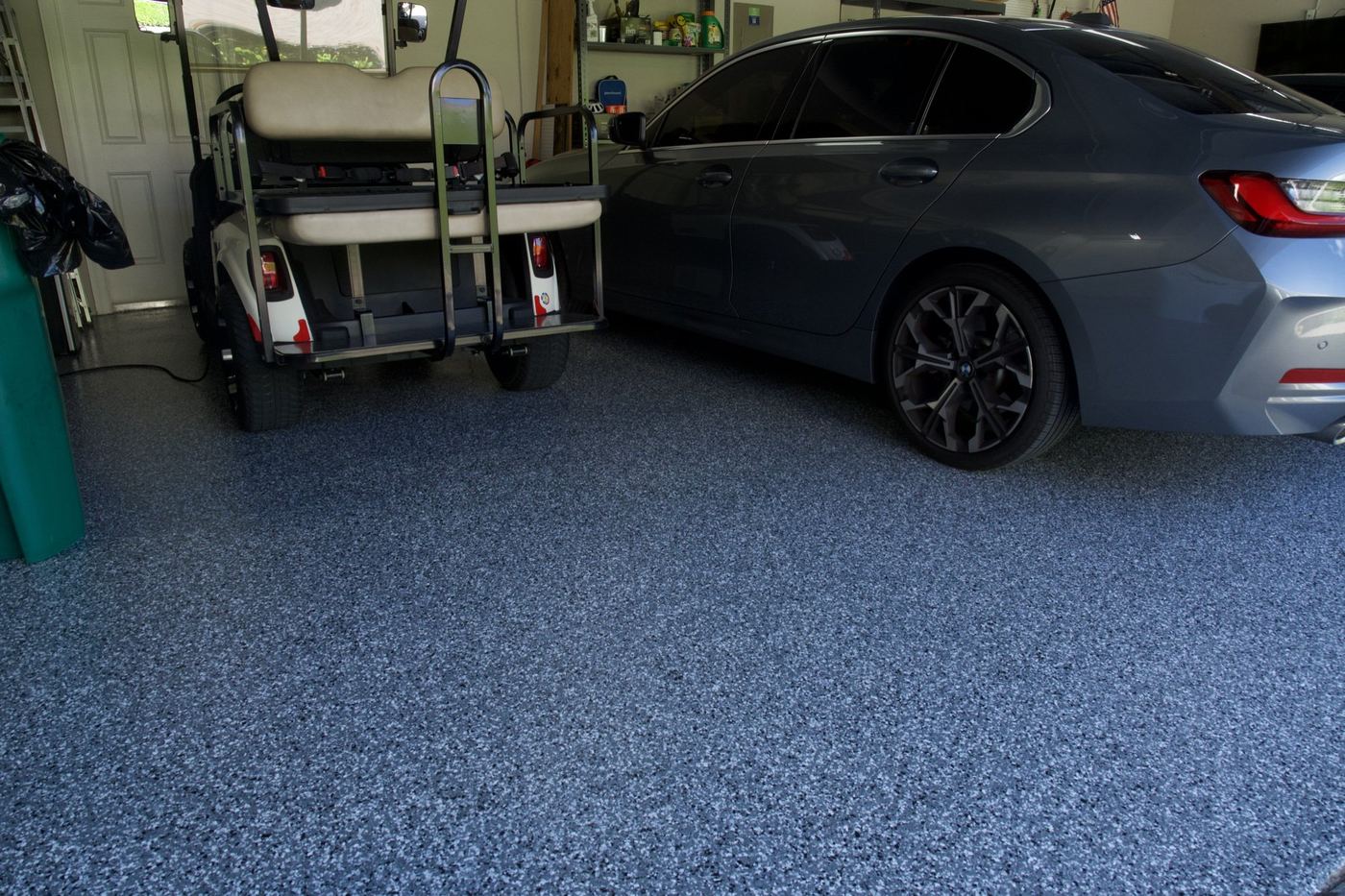

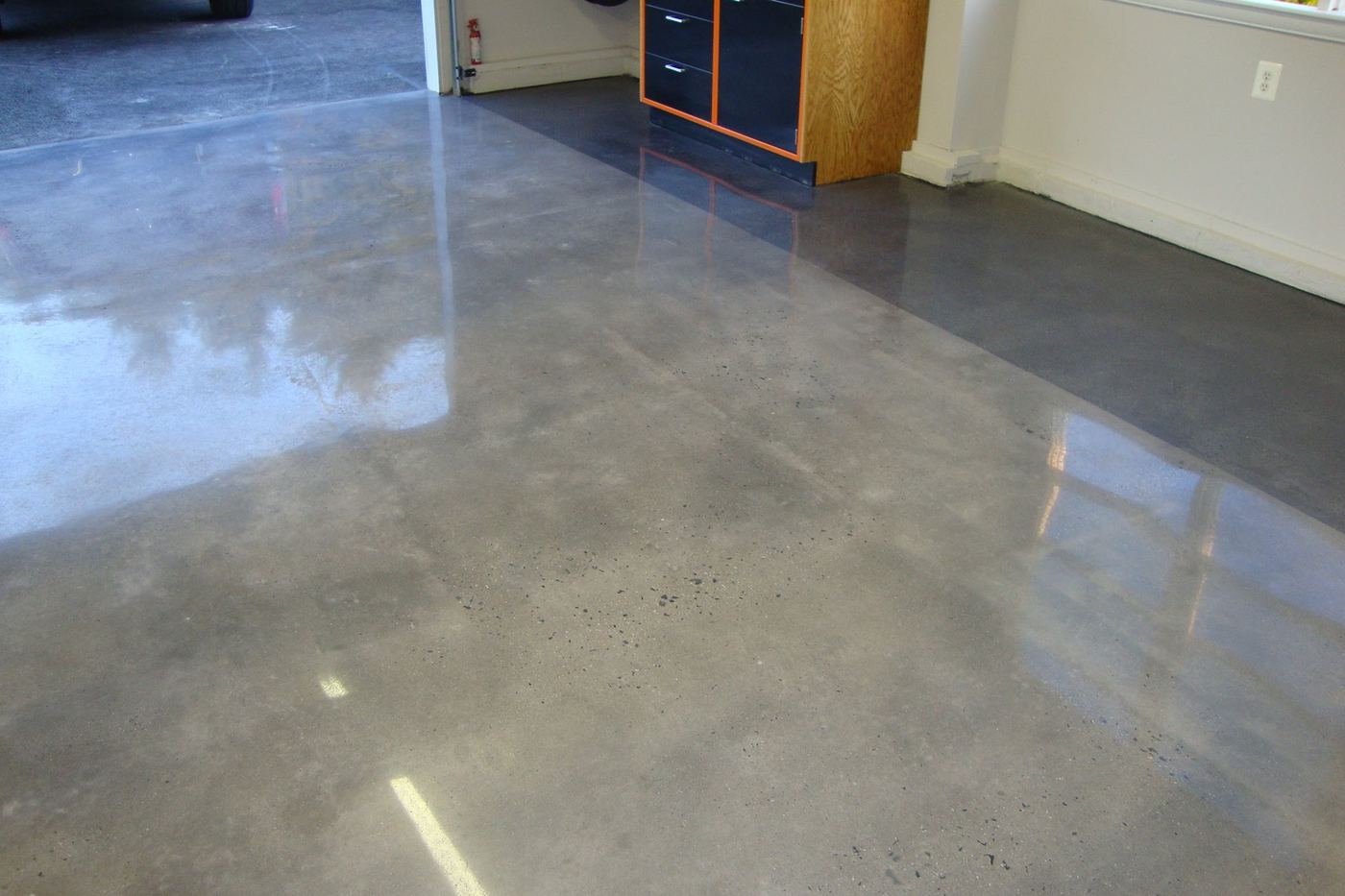
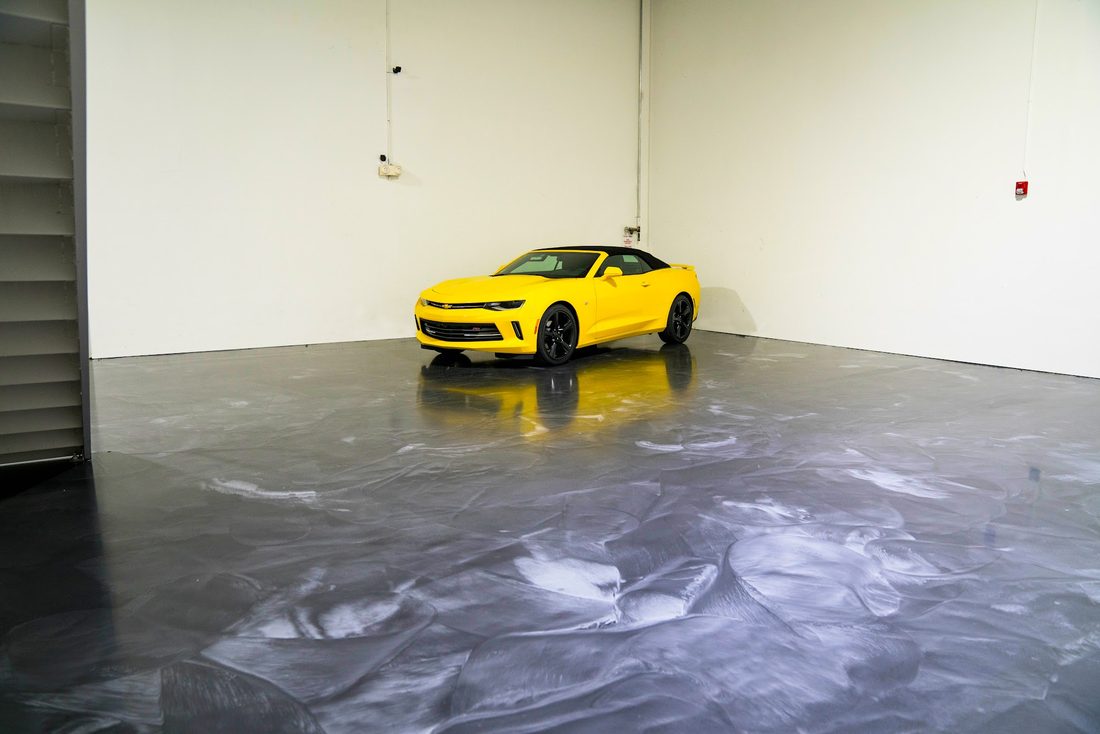
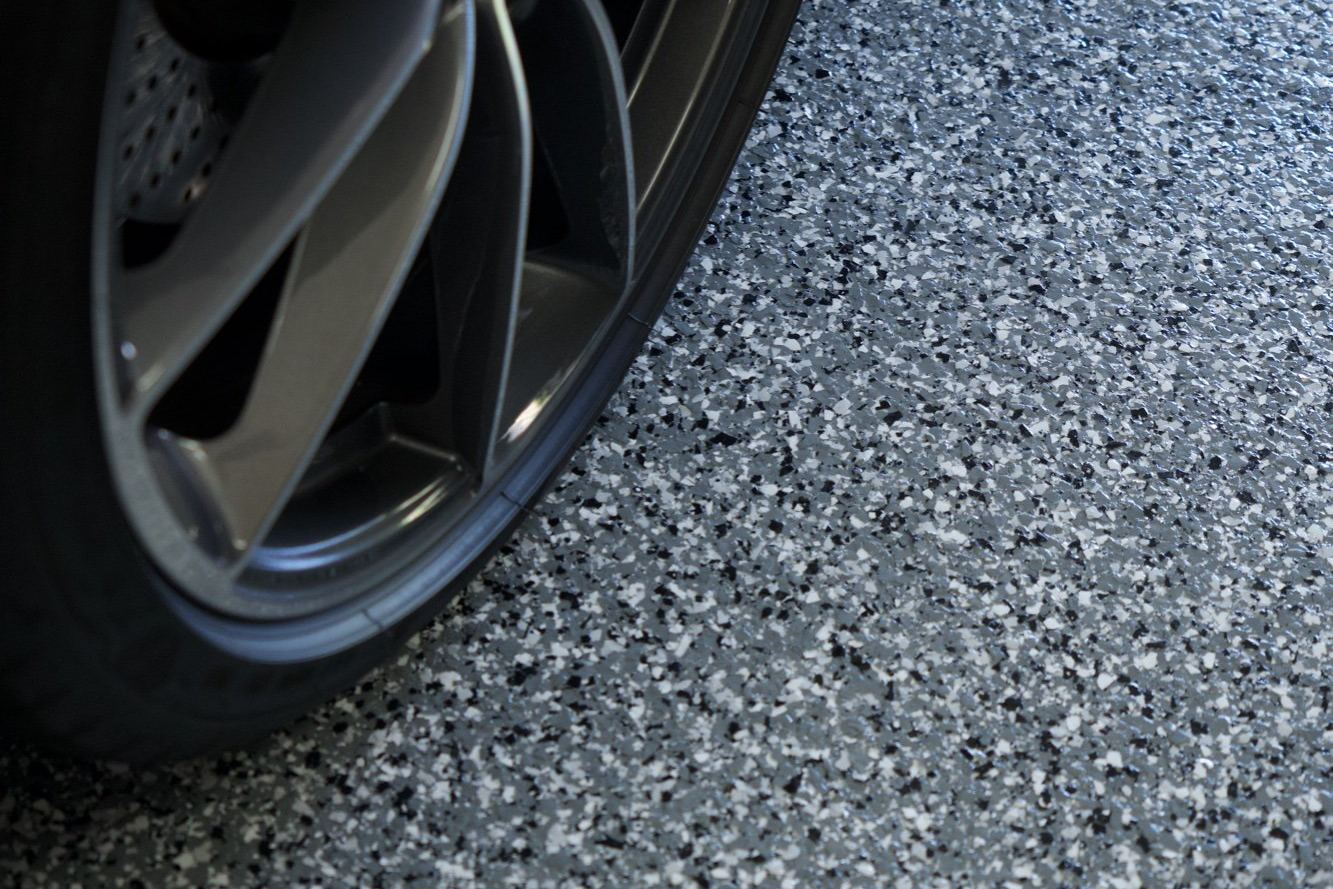
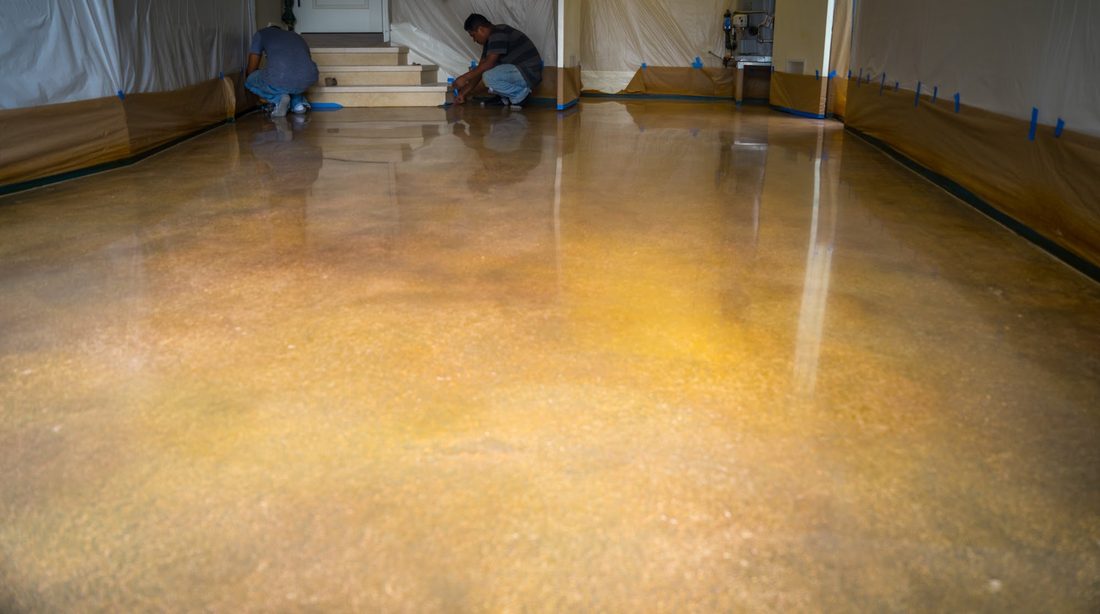
Example photos of finished floors, shown for the look. Not photos of a specific past job.
When is the best time to coat a new garage floor?
Before you move in, if the dates allow it: an empty garage is simpler to prep, and nothing has to sit in the driveway while the coating cures.
New concrete also needs time to cure before any coating goes on, and a slab that looks dry on top can still be giving off moisture underneath. Ask when your slab will be ready, and plan the move around it rather than the other way round.
Already moved in? It still works. Just decide ahead of time where the cars, tools and storage will go while the garage is out of use.
Closing and moving dates
Share both when you ask for a quote, so the work can be planned for the gap between them.
A fresh slab
New concrete has to cure before it is coated. Ask how long yours needs.
An empty room
No shelving, no fridge, no boxes. The walls and the bottom edge of the drywall are easier to protect too.
What has to come off a builder-grade garage slab?
Usually more than you can see: curing compound, drywall mud, paint overspray and tire marks from the build all sit on the surface and stop a coating from bonding.
Builders finish a garage slab to be walked and driven on, not coated. During the build the garage often doubles as a storeroom for drywall, paint and tools, and the floor shows it. The surface is usually ground and repaired so the coating has something to grip, and the saw-cut joints across the slab are cleaned out and then filled or left showing, depending on the look you want.
Curing compound
A film sprayed on new concrete so it cures evenly. It has to come off before a coating will hold.
Construction leftovers
Drywall mud, paint spray and glue drips are common in a new garage. They come off during prep.
Hairline cracks
New slabs often show small shrinkage cracks in the first months. Cracks are filled before anything goes down.
Saw-cut joints
Decide whether you want the joints filled flush or kept as straight lines in the finished floor.
Do I need HOA or gate approval to coat my garage floor?
Usually not for the floor itself, but many communities in Lakewood Ranch, Parrish and North Port control who comes through the gate and when contractors can work, so check first.
Gated villages often want a vendor pass, or a name on a guest list, before a work truck can enter, and most set hours for contractor work and noise. Grinding a slab is loud. A short note to the property manager or the gatehouse before the first day saves a truck waiting at the gate.
Gate access
Add the crew to your guest list, or ask the gatehouse what a vendor needs to get in.
Work hours
Most associations set the hours contractors may work. Plan the job inside them.
Driveway space
Equipment and materials need a spot near the garage door for the length of the job.
Will the floor stand up to a golf cart and two cars?
A coating that is well bonded to clean, ground concrete is made for car and cart traffic; the prep under it matters more than anything on top.
Plenty of garages here hold a car, a golf cart and a charger on the wall. Cart tires turn in place, sand comes in from the course and the beach, and the charging corner sees drips. Flake is the practical pick for that mix: the chips hide grit and tire marks between sweeps, and the texture gives shoes some grip when the floor is wet.
Turning tires
Carts pivot in tight spaces. A strong bond to ground concrete is what keeps the coating in place.
Sand and grit
A speckled flake floor hides it better than a solid color does.
A wet floor
Ask about texture in the final coat if rain or a hose ever reaches the garage floor.
What does a garage floor cost in a new home?
Price depends on the floor, so ask about yours: the garage size, how much residue and cracking the slab has and the finish you choose move it most.
Garage size
Two-car, three-car, a tandem bay or a separate golf cart bay all change the square footage.
Slab prep
Curing compound, construction leftovers and cracks add prep.
Joints
Filling saw-cut joints flush takes more work than leaving them as lines.
The finish
Flake usually sits at the lower end and metallic at the top, with quartz and solid color in between.
Extra areas
A storage room, a side entry or the front step can be done at the same time. Ask about them.
How does the job go in a new home?
Ask early
Send your closing date, the garage size and the finish you like, and ask for a quote.
Slab timing
New concrete needs to cure first. Ask when yours will be ready to coat.
Prep
The surface is usually ground and repaired so the coating has something to grip.
Coat and cure
Layers go down one at a time, then the floor needs time before cars park on it. Ask for the schedule.
Questions from new homeowners
How soon after closing can the garage floor be coated?
It depends on how old the slab is and how it was finished. New concrete needs time to cure before a coating goes on, so ask about your slab when you ask for a quote.
Should I coat the garage floor before or after moving in?
Before is easier if the timing works, because an empty garage is simpler to prep and nothing has to sit outside. After works too; plan where everything will go during the job.
Will the coating cover the saw-cut lines in the slab?
It can. The joints can be filled so the floor reads as one surface, or left open so they show as straight lines. Ask which suits your slab.
Which finish is best for a garage with a golf cart?
Flake is the usual pick: it hides sand and tire marks and has some texture. Quartz is another textured option. Metallic is more of a showpiece and shows dust sooner.